
The outPHit Monitoring Approach
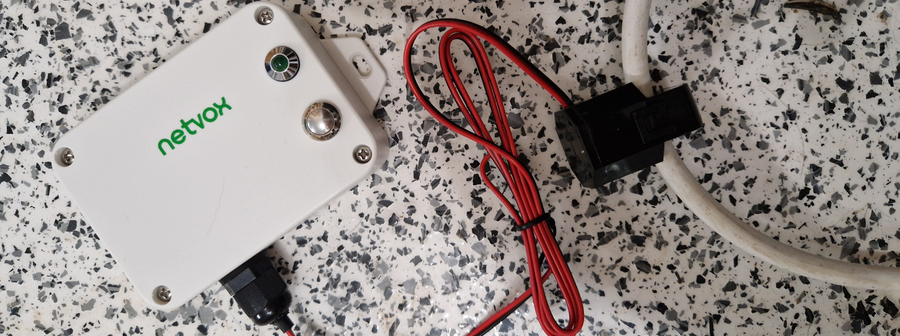
The OutPHit project employs a streamlined and standardised monitoring strategy to assess energy consumption, indoor air quality, and thermal comfort in deep retrofit buildings. This approach ensures consistent, comparable data across various projects, providing clear evidence of renovation effectiveness and occupant wellbeing.
Energy and indoor environment monitoring
Monitoring focuses on critical parameters including total energy use, indoor temperature, relative humidity, and CO₂ concentrations. These measurements help evaluate how renovations improve building performance and create healthier, more comfortable indoor environments. Additionally, ventilation system efficiency and microbiological air quality indicators are assessed to capture a comprehensive picture of indoor living conditions.
Data management and analysis
Collected data is systematically formatted and stored in a centralised database, facilitating uniform evaluation across projects. Advanced algorithms process the data to detect trends, irregularities, and overall building performance, enabling informed decisions for further optimisation and certification of verified energy efficiency.
The outPHit project is resulting in a number of interesting outcomes – be they informational materials, guidelines, protocols or tools. An overview of the available monitoring outcomes can be found under the following categories:
Simplified Monitoring Approach
Monitoring Made Easy: Verifying Energy Savings and Comfort After Renovation
How can you be sure that a renovation has truly delivered low energy consumption and high indoor comfort? This video explains how post-renovation monitoring can provide clear answers.
Developed by the Passive House Institute within the EU project outPHit, this streamlined monitoring approach makes it easier than ever to track performance after refurbishment. The method has already been tested across numerous projects throughout Europe, proving both its practicality and value.
Watch to learn how effective monitoring can support reliable, high-performance renovations.